It’s an instinct for moms to want to protect our children—it’s built into our DNA. And if we see our child hurt or in pain, it’s also an instinct to fly into “mama bear” mode and try to take care of them. That’s why nosebleeds can cause such a panic with us.
But, unfortunately, it’s actually one of the health problems that can cause a panic induced reaction that can lead to the wrong treatment for your child.
Let’s take a look at what can cause a nosebleed and how to stop them.
There are several possible causes of nosebleeds in children. These include:
Dry air—This is the most common cause of nosebleeds in children. If you keep your home heated in the winter or if you live in a region that is especially arid, then your child’s nose can get really dried out. When this happens, it can lead to a nosebleed. My trick to combat this is to use Aquaphor to lubricate my kids nose at night using a Q-tip. Works really well!
Physical injury—This one is probably the scariest, because it happens suddenly and is coupled with fears of a broken nose. It happens often with sports by taking a ball or something similar to the face.
Nasal problems—If your child has a cold or allergies, then it can cause their nasal membranes to become irritated, which can lead to nosebleeds. Sinus or bacterial infections can also be to blame.
Nose picking—It’s gross, but let’s face it: kids pick their noses. Unfortunately, sometimes they scratch the inner lining of their nose causing it to bleed. This one is more common than many people think.
When your child gets a nosebleed, it’s going to be scary for them. Here’s how you can help treat the nosebleed and take care of them:
Have the child sit down and relax. This is important because their natural instinct is to run around and freak out. Sit down, hold their hand, and tell them that it’s going to be OK.
Have them lean forward instead of leaning back or laying down. This is a big one because many people were taught to hold your head back. This just causes the blood to go back down into your nasal passages—not a good thing. Instead, lean forward so that the blood can flow out.
Using gauze or tissue paper, pinch the child’s nose at the bony part right along the bridge. This is important because it will staunch the flow of blood. Make sure to also use the gauze or tissue to cover up the nose to soak up the blood and keep it away from clothes or furniture and carpets. If you have one handy, you can also place a cold compress across the bridge of the nose to help decrease the blood flow.
Tell your child to breathe through their mouth.
Apply pressure for 5-10 minutes until the bleeding stops. Keep the pressure applied and resist the urge to check very often. Checking every thirty seconds will prolong the time it takes to stop the bleeding. If it goes on for more than fifteen minutes, you may need to call a health professional for advice. If the nosebleed is from a physical trauma such as a blunt force injury, then you should call 911 or get medical attention as there may be some other issues at play such as a broken nose.
After the nosebleed stops, avoid any activity for 30 minutes that might cause it to start bleeding again. (This would not be the time to start back into the game and risk taking another shot to the nose.) Part of this is to keep your child from picking or blowing their nose. It’s only natural for them to want to do this to clear out their nose which is probably going to feel stuffy. But if you do this, it could start bleeding again.
Nosebleeds are a fairly common occurrence, especially with active children. If you know ahead of time what to do, you can make sure to exude that “calm and collected” demeanor that will keep your child calm as well.
Mary Poppins famously said that “A spoonful of sugar helps the medicine go down.” But unfortunately, sugar has become a huge problem with children.
An occasional piece of candy quickly adds more sugar to what’s already a surprisingly high amount in what we think are healthy choices. Not only is childhood obesity becoming an issue, but it’s also setting our kids up for health problems.
I don’t want to sound like an alarmist saying that everything must be totally sugar free. Like everything else, sugar should be enjoyed in moderation. It was very helpful to me to understand the exact amounts of sugar that are considered ok for our kids to have each day.
So how much sugar are kids eating?
According to some sources, as much as 76 grams of added sugar a day. Let’s put that into perspective.
No one would let their child eat a teaspoon of pure sugar as a snack. But every four grams of sugar you eat equals one teaspoon of pure sugar. That 76 grams of sugar equals out to 19 teaspoons a day. How much should they eat? About 24 grams of sugar, or six teaspoons.
Where’s the sugar our kids are eating coming from?
Believe it or not, it’s not because our kids are gorging themselves on candy and cookies and cakes every day.
In reality, it may not even be a problem with food at all but with drinks. A can of regular soda has 9.75 teaspoons, over half of their total daily allowance.
If you think a juice box is healthy, think again. It has almost 6 teaspoons of sugar (5.75 to be exact) which is roughly one-third of the daily allowance.
By contrast, a glass of milk has about 3 teaspoons of sugar and a low-sugar juice pouch has only 2 teaspoons. A healthy option for anyone when it comes to beverages is plain water. You can add fruit to the water to give it flavor.
Some foods do have hidden sugars to look out for.
If you think that granola bars are a better alternative to Hershey bars, then you need to realize that they have almost the exact same amount of sugar (25 grams or about 6 teaspoons). Yogurt is also a culprit here with some brands containing 30 grams (7.5 teaspoons) of sugar. I know I was sure surprised to learn this!
Knowing is half the battle!
Please know I am not saying you must cut these foods completely out of your kids’ diets and put them on a strict regiment of kale, bread, and water. We have to be aware of what is going on with our food and with everything else we have going on, it’s easy to miss this. As a fellow concerned parent, I know we have to take a moment at the grocery store and read the labels.
Encourage comparison shopping with your kids and look for the options that have less added sugar. When they’re old enough to begin making choices for themselves about what to eat, you will have passed this habit on to your children! The results will be kids who are ready to be independent, healthy eaters.
Parents instinctively know that sports are good for kids. It’s obvious the exercise, social interactions and discipline taught will all benefit our kids.
Our children observed lots of different sports and determined which sports they were most interested in.
I took our kids to Gymboree classes where they interacted with other kids and enjoyed hands on play, music and singing.
4 to 5 Year Old’s
Now they can start to have a little more structure in their physical activity. Consider signing them up for team sports like T-ball and basketball. (Obviously, the basketball is going to have to be modified so they can reach the basket.)
Some hard core golf players have their kids start playing golf at this age. Miniature golf is fun for the kids!
Pay special attention to how the coaches handle these kids. At this age, it’s about learning the rules of the game and how to play without too much of a competitive edge. Avoid heavy contact sports and consider something like football if it is no-touch, flag football.
6 to 9 Year Old’s
Once a child is regularly starting school, their ability to concentrate and focus for an extended period of time should be increasing.
Their physical maturity with hand-eye coordination and vision should be more acute. This is the time for more team sports such as football, soccer, softball, and baseball but it’s also a good time for athletic classes.
Two good recommendations that stress flexibility and motor skills are gymnastics and martial arts. And, if you haven’t already taught your child to swim, now’s the time. If they excel at this, you may want to consider signing them up for a swim team.
10 Year Old’s to Teens
At this age, your child may have gotten a taste for different sports and found one that they really like.
Their bodies are more resilient, so you can consider contact sports at a more competitive level such as football, hockey, soccer and lacrosse as well as those which focus more on hand-eye coordination such as basketball, baseball/softball, and volleyball.
If your child prefers solo sports, the teen years is a perfect time to continue with, or sign up for events such as gymnastics, skating, martial arts, archery, swimming/diving, or track.
Know There Will Be Cuts and Scrapes
Just be forewarned they’re going to get cuts and scrapes along the way. This is just a function of being a kid and being active. Make sure the league or school they’re playing for has a concussion protocol that they follow for more serious injuries.
The important thing is to talk to your child and find out what they’re interested in.
It’s been common knowledge for years that one of the best activities for children is playing some form of sports. Between the lessons learned about teamwork, commitment and resolve as well as the benefits of exercise, it’s easy to see why 30 million children and teens participate in sports every year.
Unfortunately, that also leads to a very high rate of injury among these children and teens. When you hear about the horrific injuries that pile up in professional sports, you must realize that 40% of all sports-related injuries happen to children between 5 and 14 years old.
Here are more stats that put the problem of kids’ sports related injuries into perspective:
1. According to the Centers for Disease Control, over half of all sports related injuries could have been prevented. This underscores the need for children to wear proper protective gear and to be careful when practicing or playing a sport.
In the case of biking and skateboarding, children should always wear safety head gear. In other sports, schools need concussion policies in place for the diagnosis and treatment of this condition so that injured students aren’t put in harm’s way by playing hurt.
3. In one year, there were 1.35 million emergency room visits for children all stemming from just 14 sports. What makes this especially problematic is the fact that these are ER visits, which are generally more expensive for those dealing with insurance payments.
But also, many times parents don’t follow up with treatment because they think the problem has been taken care of by the ER physician. Often the ER doctor is just getting the child stabilized and out of the “danger zone” and full treatment requires attention from the child’s regular doctor.
Look, we all want to take care of our children and as much as we want to, you can’t wrap them up in bubble wrap and protect them from the world until they’re 18. You must let them go out and experience the world and if you don’t let them take part in sports activities, you’ll seriously hinder the physical and social development.
However, you must consider if contact sports are the right option for your child and in all situations, you need to ensure your child is protected with the right gear and gets the right treatment if they are injured.
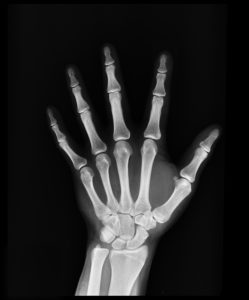
When your little darling has an accident that results in an X ray and a confirmed fracture or break, you’re most likely worried about their pain. But then, the doctor says, “He needs to rest and be still for three weeks.” And you think, “Oh crap!” What about all the activities you’ve scheduled (and paid for?), what about school, what about your job? We break it down for you.
Depending on which little part they busted, mom and dad are going to have to dive in, facilitating with teeth brushing, getting dressed, hair combing, and possibly toilet time. The age of your child is also a factor. Some kids may regress or get frustrated when you have to help them, others may like the help because at least they don’t have you nagging them if they did it properly.
Dealing with a Non-Waterproof Cast
Not all kids get a hard, waterproof cast, so bathing and showering may become less relaxing than it used to be. After bathing, you may want to turn a hair dryer on cool and blow it through the openings of the cast, just to zap any unwanted moisture which may result in itching.
Something to look forward to, the cast is really going to be rancid when it comes off. And the skin underneath is going to look pale and wrinkly and feel squishy.
Adjusting After the Cast is Removed
Even when you make it to the finish line and it’s time to buzz the cast off, be prepared for an adjustment period when your child’s muscles and tendons need to regain strength and flexibility. Or you may have a rocket launch who looks like they never missed a beat.
The Fluff Stuff
Pillows are your kid’s friends. Prop till you drop. Maybe dig out your maternity sleeping pillow from storage. Keeping your kid comfy round-the-clock is key to whomever is caring for him/her.
Get Crafty
Bust out the Sharpies! Why not stick some googly eyes on the cast and make it look like a pet? Decorating casts is a thing on Pinterest. You can get creative with crutches and arm slings, too. Some parents have gone uber cute and made little casts for their child’s stuffed animals. Misery loves company!
Communicate with Caregivers
Make sure you communicate with school and caregivers about what your child can and cannot do. If she can walk around and get fresh air at recess that’s better than sitting in the lunch room reading.
Playdates
If your patient is home-bound, it’s time to line up some playdates. Who’s going to be good at playing cards, coloring, Legos, Mad Libs and board games? Who’s better at chilling in front of a good movie? Thankfully, your child’s brain doesn’t have to go to mush while they’re looking part-mummy. Reading, audio books and educational apps can keep your child and their company feeling enlightened.
The winter has arrived and that means holidays, snow days, hot chocolate—and flu!
This is, of course, flu season and if you haven’t already gotten flu shots for yourself and your whole family, then you definitely need to take care of that ASAP.
But even with a flu shot, if your child is in a classroom of twenty students, think about that as a petri dish full of germs that are getting passed from one person to the next. Chances are they are going to get sick. (After all, the flu shot only takes care of certain strains of flu—not all of them.)
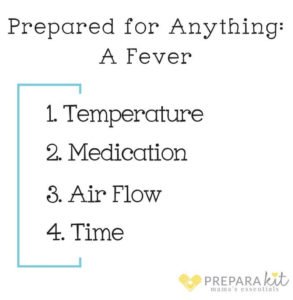
So if your little ones start complaining about chills and aches, here are a few things you can do to take care of their fever:
1. To cover or not to cover
One of the biggest misconceptions that comes with fever is that you should bundle up and sweat it out. This is not the best move to make.
First, you need to take your child’s temperature to make sure that they do, in fact, have a fever. But if they do, they may feel very cold and want to bundle as much as possible. Don’t!
This can actually make them overheat and sweat too much causing dehydration.
Your body’s chills and shivers is your system’s way of fighting off the infection. If you bundle up, you’re not letting your body do what it needs to do and the fever will just take longer to get over.
Then, cover them in a light to medium blanket. Be sure to change these blankets out regularly if they do start sweating as a sweaty blanket is just horrible to feel and can cause more shivering.
2. Stay hydrated
So, wrapping your child up has proven to be a fallacy. What about drinking lots of fluids? That one is right on the money.
You should definitely encourage your child to drink as much as possible. A fever will make you sweat, so drinking water will keep you from getting dehydrated, which will just add to the misery of the flu.
Give your child regular drinks of water and also mix in an occasional glass of orange juice as the Vitamin C will give them extra nutrients to fight the flu.
3. What about baths
Another common technique for dealing with fevers is to use cold baths to bring down the temperature.
This may be necessary for rapid cooling if the person is running a dangerously high temperature, it’s actually not a good idea for a standard fever. But you can help keep your kid comfortable with a lukewarm bath.
This will keep them warm and also help deal with the shivering. Just be sure to keep the bath no longer than 15 minutes or the water will get cold and that will defeat the purpose.
These tips for fever help you feel more prepared
No one likes having the flu, but it’s even tougher on moms who have to watch their child suffer, often with a feeling of helplessness. If you follow these tips, even though they may go against some things you’ve been told in the past, then you can help keep your little ones comfortable while their body fights off the fever.
Struggle with staying on top of your bills and budgeting?
Do you stress out and dread when the 1st of the month rolls around?
Tired of living paycheck to paycheck?
Have constant arguments with your spouse around the family finances?
Have no clue on how to even get in control of your financial life?
Download this FREE Monthly Budgeting Action Plan, which includes Worksheets with step by step instructions on guiding you exactly on what you need to do to set up your own family budgeting plan that works for you and your family.
Struggle with staying on top of your bills and budgeting?
Do you stress out and dread when the 1st of the month rolls around?
Tired of living paycheck to paycheck?
Have constant arguments with your spouse around the family finances?
Have no clue on how to even get in control of your financial life?
Download this FREE Monthly Budgeting Action Plan, which includes Worksheets with step by step instructions on guiding you exactly on what you need to do to set up your own family budgeting plan that works for you and your family.
Do you struggle with getting your kids to clean up their room?
Are you ready for your kids to be more responsible?
Would you like your kids to be able to manage their time better?
Ready for a simple way to teach your kids good money management habits?
Download this FREE Family Chore and Money System Action Guide. It includes worksheets with step by step instructions on guiding you exactly what you need to do to set up your own chore, schedule and money management plans.